February 19, 2026
Many homeowners underestimate the importance of routine septic system care, often delaying service until a serious issue forces their hand. Unfortunately, this reactive approach can lead to expensive repairs, property damage, and even health concerns. Regular maintenance, especially consistent local septic pumping, is one of the most effective ways to protect your system and avoid costly emergencies. A septic system works quietly in the background, managing household wastewater every day, but when it becomes overloaded or neglected, problems can escalate quickly. Understanding how proactive pumping supports system performance, longevity, and financial savings empowers homeowners to make smarter maintenance decisions. By prioritizing scheduled service, homeowners can prevent breakdowns, preserve property value, and reduce long-term expenses while keeping their homes safe, clean, and efficient.
Understanding How Septic Systems Function
A septic system is a self-contained wastewater treatment solution commonly used in areas without access to municipal sewer systems. It typically consists of a septic tank and a drain field that work together to separate, treat, and disperse household waste. As wastewater flows into the tank, heavier solids settle at the bottom as sludge, while oils and grease rise to the top as scum. The clarified liquid in the middle then flows into the drain field for natural filtration through soil.
Without routine local septic pumping, sludge and scum accumulate beyond safe levels, reducing the tank’s capacity and allowing solids to enter the drain field. This can clog soil pores, interfere with proper drainage, and cause wastewater to surface or back up into the home. Regular pumping keeps the system balanced, allowing bacteria to break down waste efficiently while preventing overflow. A properly maintained septic system operates quietly and reliably, but neglect can transform it into a costly liability.
Septic systems also rely on consistent water flow and bacterial activity. Overloading the system with excessive water use or delaying maintenance disrupts this balance. Over time, untreated buildup increases wear on system components, accelerating deterioration. By understanding how septic systems function, homeowners can appreciate why routine pumping is essential for long-term efficiency and financial protection.
Explaining the Septic Pumping Process
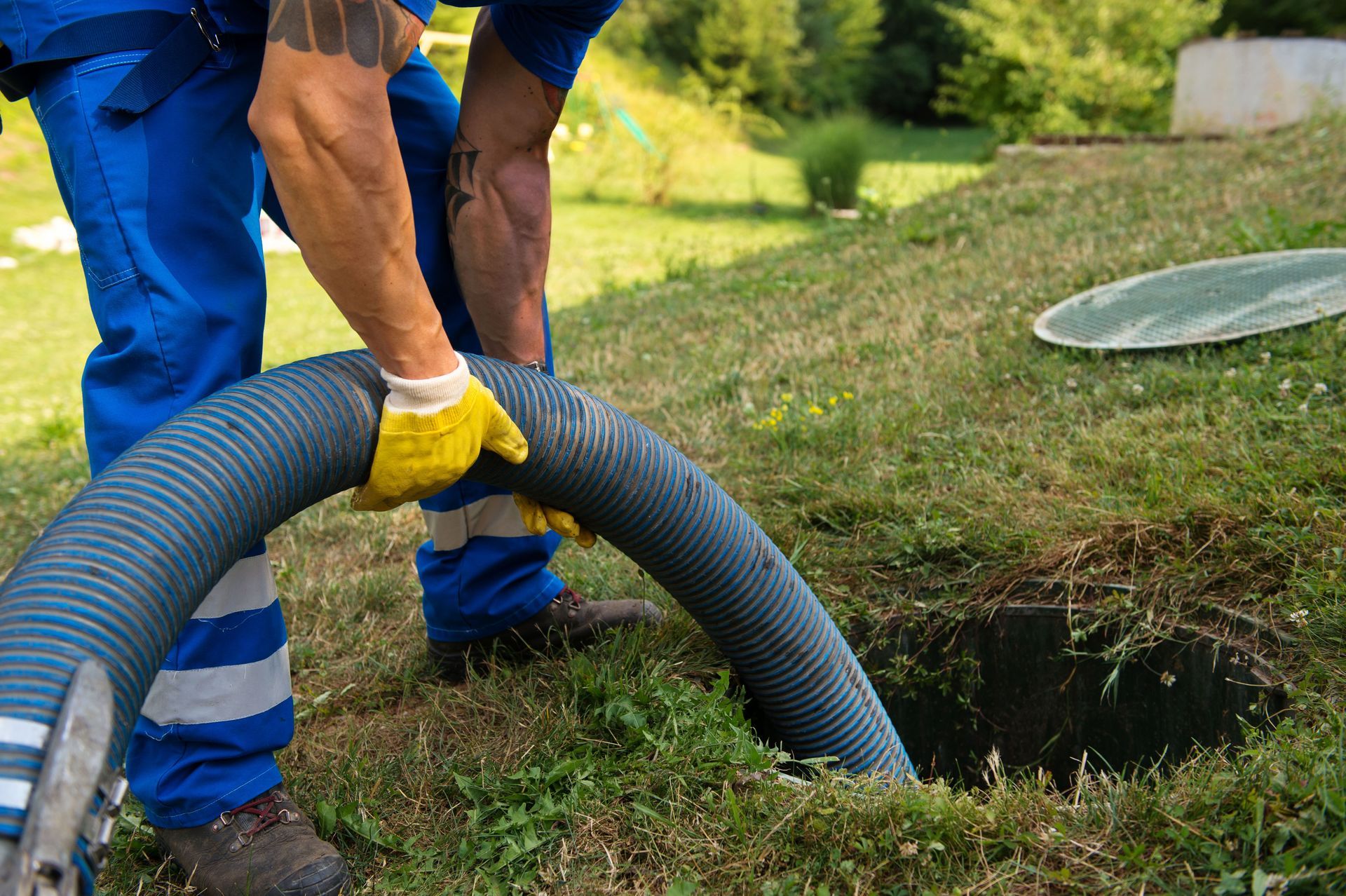
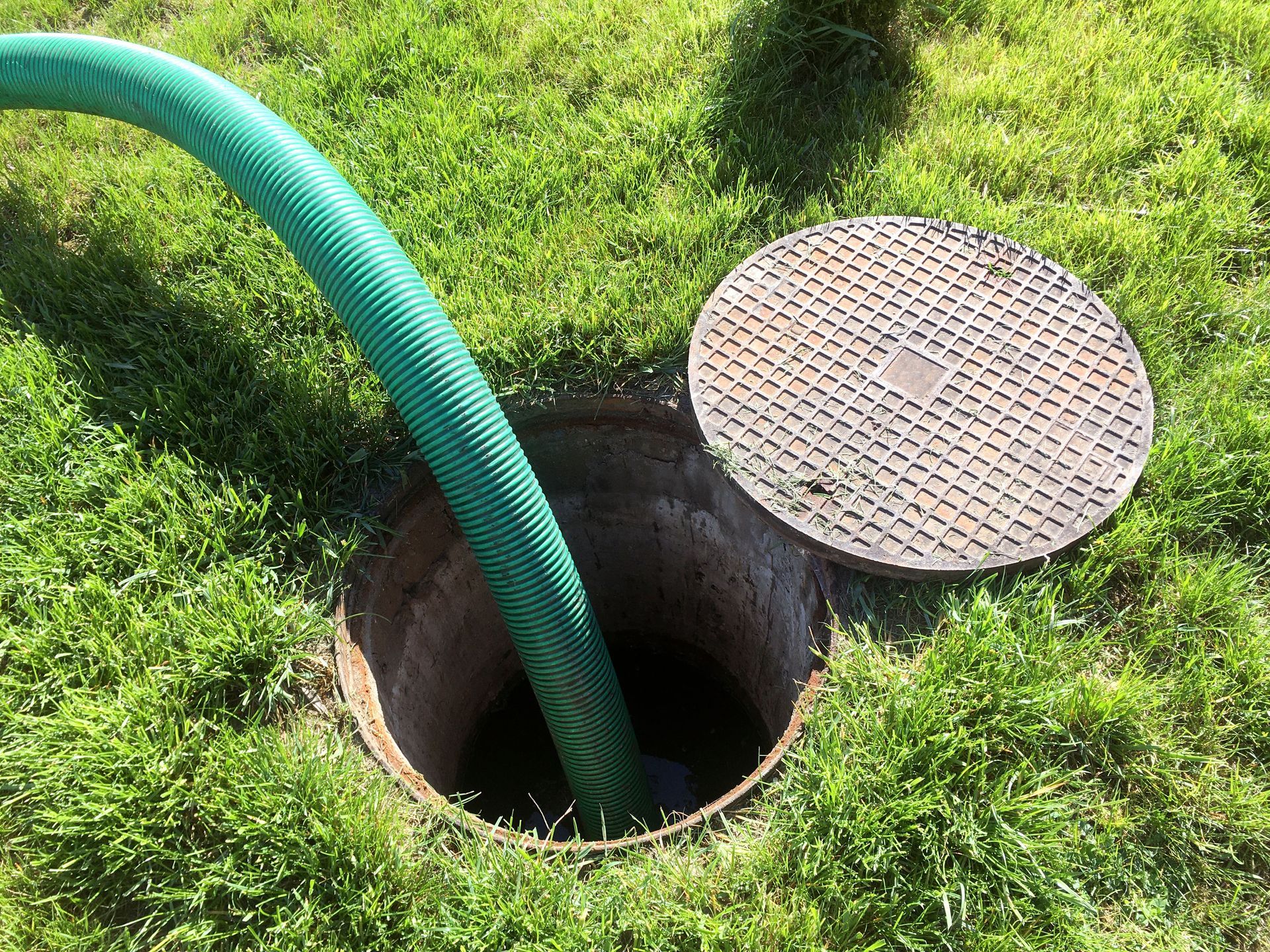
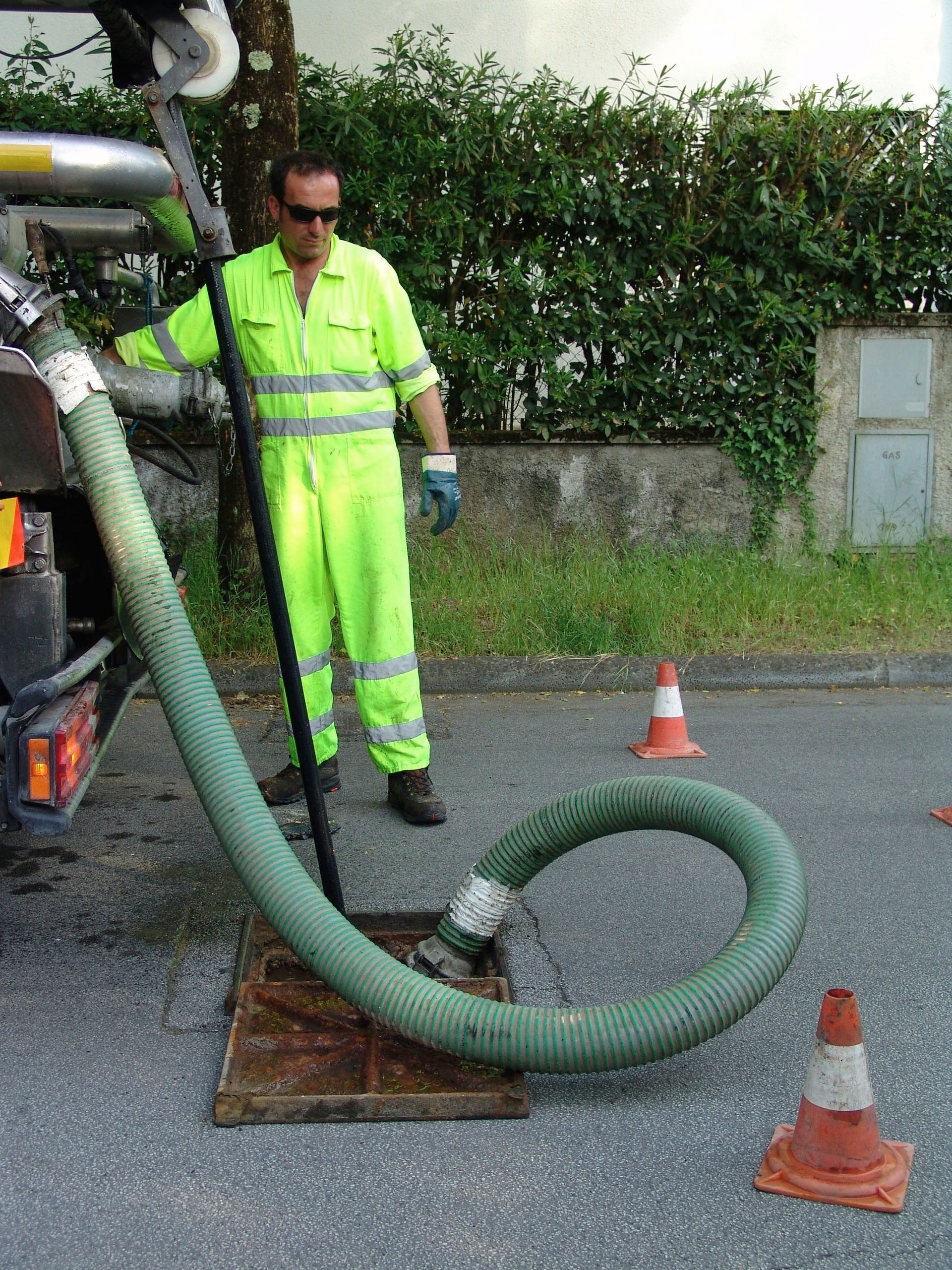
Septic pumping involves the professional removal of accumulated sludge and scum from the tank using specialized vacuum equipment. During this process, technicians also inspect the tank for cracks, leaks, or structural weaknesses that could lead to larger problems. This dual-purpose service ensures both cleanliness and system health. Scheduling local septic pumping every three to five years is typically recommended, although factors such as household size, water usage, and tank capacity may influence frequency.
Beyond waste removal, pumping provides an opportunity for early problem detection. Professionals can identify deteriorating components, blocked outlets, or damaged baffles before these issues escalate into expensive repairs. Early intervention allows for minor fixes instead of major overhauls, significantly lowering overall maintenance costs. Routine pumping also helps preserve bacterial balance within the tank, which is vital for breaking down organic matter efficiently.
Consistent pumping supports long-term system performance by preventing buildup that strains components and reduces capacity. When homeowners invest in routine care, they minimize stress on the entire system, ensuring smooth wastewater processing. This simple yet critical maintenance step keeps septic systems operating efficiently, reliably, and economically year after year.
Preventing Costly Damage and Emergencies
One of the greatest financial benefits of routine septic maintenance is the prevention of catastrophic system failures. Without regular local septic pumping, tanks can overflow, leading to wastewater backups, soil saturation, and severe property damage. These scenarios often require emergency service, which carries significantly higher costs than scheduled maintenance. Emergency repairs may include drain field restoration, pipe replacement, or even full system replacement, all of which can strain household budgets.
Overflow can also damage foundations, landscaping, and flooring, leading to expensive restoration efforts. Cleanup and sanitation add another layer of cost, not to mention the inconvenience of temporarily relocating while repairs are completed. Preventive pumping eliminates these risks by ensuring sufficient capacity and optimal system operation. Proactive maintenance allows homeowners to avoid both sudden financial strain and emotional stress.
By prioritizing consistent pumping, homeowners can maintain system integrity and avoid emergencies entirely. The modest cost of regular service pales in comparison to the expenses associated with emergency repairs, making preventive care one of the smartest investments in property protection.
Protecting Property Value and Environmental Safety
A well-maintained septic system directly supports property value and environmental responsibility. Potential homebuyers often request septic inspections before finalizing purchases, and systems in poor condition can delay or derail real estate transactions. Regular local septic pumping ensures your system remains compliant with regulations, enhancing buyer confidence and preserving resale value.
Neglected systems can contaminate groundwater, nearby streams, and surrounding soil, creating environmental hazards. Regulatory agencies may impose fines for wastewater violations, adding unexpected expenses. Responsible septic care prevents pollution and safeguards community water sources. Environmentally sound practices not only protect ecosystems but also shield homeowners from penalties and cleanup costs.
Additionally, maintaining a healthy septic system reflects positively on homeowners, demonstrating responsible property management. Homes with documented maintenance records are more attractive in the real estate market, helping sellers command higher prices and faster closings. Environmental stewardship and financial prudence go hand in hand when septic systems receive consistent care.
Reducing Health Risks and Associated Expenses
Failing septic systems can introduce harmful pathogens into living environments, increasing the risk of illness and contamination. Exposure to untreated wastewater may lead to gastrointestinal infections, skin irritations, and respiratory issues. These health concerns often require medical attention, contributing to rising healthcare expenses. Regular local septic pumping prevents these dangers by ensuring waste is processed safely and effectively.
Poor septic maintenance can also attract pests and insects, creating unsanitary living conditions. Mosquitoes, rodents, and flies thrive in contaminated environments, further increasing disease risk. Pest control services, sanitation efforts, and medical treatments quickly add up, creating additional financial burdens. Preventive maintenance eliminates these risks before they materialize.
Maximizing Long-Term Financial Savings Through Maintenance
Consistent septic care is one of the most effective strategies for maximizing long-term savings. Regular pumping reduces wear on system components, extending their lifespan and delaying costly replacements. According to the EPA, if your septic system has a pump, it may need to be replaced every 10 to 20 years, making early detection and timely replacement essential for avoiding sudden failures. Routine inspections during local septic pumping appointments help identify aging components and plan upgrades strategically.
Proactive maintenance prevents minor issues from escalating into full-scale repairs. Cracks, leaks, or blockages discovered early can often be resolved quickly and affordably. Without regular monitoring, these problems remain hidden until they cause severe damage. Over time, the cumulative savings from preventive care far outweigh the costs of occasional service appointments.
Beyond financial benefits, consistent maintenance provides peace of mind. Homeowners can rely on their septic systems to operate smoothly without constant worry about unexpected breakdowns. By viewing septic care as a long-term investment rather than an occasional obligation, homeowners achieve greater system reliability, reduced expenses, and long-lasting performance.
Regular septic system maintenance is not merely a routine chore—it is a strategic investment in your home, health, and financial stability. By prioritizing local septic pumping, homeowners can prevent costly repairs, protect property value, reduce health risks, and extend system lifespan. Consistent care minimizes emergencies, safeguards environmental resources, and ensures reliable wastewater management for years to come. Proactive maintenance allows homeowners to control costs rather than react to disasters, delivering measurable savings and lasting peace of mind. For dependable service, expert guidance, and long-term protection, contact A-1 Services Inc today and schedule your next septic pumping appointment.